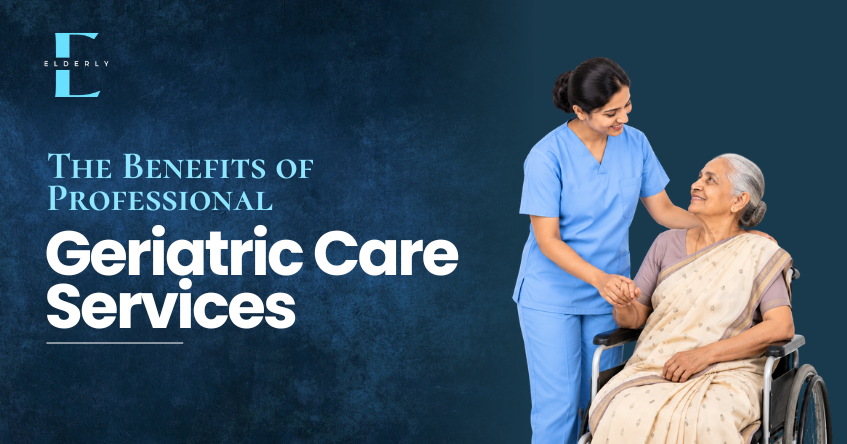
Geriatric care services help seniors manage health needs, daily activities, and changing care requirements with greater safety and dignity. As people age, health concerns often become more interconnected, requiring a broader approach to care. Professional geriatric care provides personalised assistance that addresses physical health, daily routines, and emotional well-being.
In this guide, we explore the essential benefits of professional geriatric care services, how they support families and aging loved ones, and what to look for when choosing the right care partner.
Key Takeaways
- Geriatric care services help seniors manage daily health and care needs safely.
- Personalised care plans adjust as health conditions and abilities evolve.
- Caregivers support daily activities, medication schedules, and home safety.
- Professional care can reduce stress for family members and improve communication with doctors.
- Geriatric care promotes independence and dignity while preserving quality of life.
What Are Geriatric Care Services?
Geriatric care services are specialised healthcare and support services designed to address the physical, emotional, and social needs of older adults. These services can range from home-based nursing assistance and personal care to chronic disease management and mobility support.
Unlike general caregiving, geriatric care focuses on the unique challenges associated with aging. Care providers consider an older person's health conditions, medications, mobility, lifestyle, preferences, and level of independence when planning their support.
This makes geriatric care services particularly useful for seniors who need ongoing assistance but still wish to live comfortably at home.
GERIATRIC CARE CONSULTATION
Book a free geriatric care consultation
Speak with an Elderly Wellness care coordinator to discuss your parent's unique health, daily living, and mobility needs.
Personalised Support for Changing Needs
Every senior has different health concerns, abilities, and preferences. A care approach that works for one person may not be suitable for another. Professional geriatric care services begin with an assessment of the senior's daily living requirements, medical history, and personal preferences.
A personalised plan may consider:
- Medical conditions and treatment requirements
- Medication schedules
- Mobility and fall risks
- Personal hygiene and grooming support
- Nutrition and dietary preferences
- Daily routines and lifestyle habits
As a senior's condition changes, the care plan can also be adjusted. This flexibility ensures that support remains relevant as health needs evolve.
Better Management of Multiple Health Conditions
Older adults are more likely to live with multiple health conditions at the same time. Managing several illnesses can involve complex treatment schedules, different specialists, and various medications.
Professional geriatric care services can help organise these responsibilities and improve communication between family members and healthcare providers. Caregivers can assist with scheduling appointments, tracking symptoms, and ensuring that doctor recommendations are followed consistently.
This coordinated approach can be particularly helpful for seniors managing conditions such as diabetes, arthritis, heart disease, or mobility-related concerns — see our guide on 8 Most Common Age-Related Health Conditions for more detail.
Support With Daily Activities
Some seniors may need assistance with everyday tasks while still being capable of making their own decisions. Geriatric care services can provide help with daily activities in a respectful and supportive manner.
Depending on the level of care required, assistance may include:
- Bathing and grooming
- Dressing
- Meal preparation
- Eating assistance
- Walking and mobility
- Household activities and errands
This type of elderly nursing care can help seniors complete essential activities safely while allowing them to maintain as much independence as possible. For seniors also recovering physical strength or mobility, physiotherapy services can complement daily-activity support.
Improved Medication Management
Medication schedules can become complicated when seniors take multiple prescriptions. Missing doses, taking medications at the wrong time, or confusing instructions can lead to serious health complications.
Care professionals can help seniors follow their prescribed medication schedules and provide reminders for refills. In addition, caregivers can monitor for common side effects or changes in behavior that may be related to medications, allowing healthcare providers to adjust treatments when necessary.
While caregivers do not replace doctors or pharmacists, their support can make medication routines easier and safer to manage.
PERSONALISED CARE PLAN
Get a personalised care plan for your loved one
Our geriatric care specialists develop customized routines for daily living, medication schedules, and mobility support.
Greater Safety at Home
Unexpected falls and other household accidents can have serious consequences for older adults. Reducing home hazards and providing physical support during movement are key components of geriatric care.
Professional geriatric care services can provide regular assistance with movement and everyday activities, helping to lower the risk of accidents. Caregivers can also help families identify potential hazards in the home, such as slippery surfaces, cluttered walkways, or inadequate lighting.
Simple measures such as improving lighting, keeping walkways clear, using appropriate mobility aids, and providing assistance during movement can make the home environment safer. Our Fall Prevention Checklist for Elderly Parents walks through these steps in detail.
Emotional and Social Support
Geriatric care is not limited to physical health. Loneliness and social isolation can affect an older adult's overall quality of life — read more in Loneliness & Mental Wellbeing in Elderly Parents.
Regular interaction with a caregiver can provide companionship and encourage seniors to remain socially engaged. Having someone to converse with, share meals with, or accompany them on short walks can improve mood and emotional well-being.
This human connection can make daily life more enjoyable while giving families greater reassurance that their loved one is not alone.
Support for Family Caregivers
Family members often want to provide care themselves, but balancing caregiving with work, household responsibilities, and personal life can become overwhelming. Over time, caregiving stress can lead to burnout and fatigue.
Professional geriatric care services can provide additional support, allowing family members to share caregiving responsibilities rather than managing everything alone. This can reduce caregiver stress and give relatives more time to focus on meaningful interactions with their loved ones. Our guide on Finding the Right Balance Between Professional Care and Family Involvement explores this further.
Professional support can also be useful when family members live in another city or cannot provide regular in-person assistance — for seniors who need a higher level of daily support, assisted living support services may also be worth considering, alongside our comparison of Home Care vs Assisted Living in Chennai.
COMPANIONSHIP & FAMILY SUPPORT
Talk to our care team about companionship support
Provide your elderly parents with reliable, compassionate care and companionship at home in Chennai.
Access to Coordinated Healthcare Guidance
Quality geriatric care often involves communication between caregivers, families, doctors, therapists, and other specialists. When care is coordinated effectively, changes in health can be addressed more promptly.
A healthcare advisory board can bring together professionals from different areas of healthcare to share knowledge and recommend best practices in geriatric care. This guidance helps care providers maintain high standards of service and make informed decisions.
However, advisory support should complement, rather than replace, the senior's primary healthcare providers. Families should always consult their doctors regarding medical diagnoses and treatment plans.
Promoting Independence and Dignity
One of the most important benefits of professional senior care is that it can support independence rather than diminish it. Many older adults worry that receiving care means losing control over their daily lives.
A good personalised care plan should take these preferences into account. Instead of doing everything for the senior, caregivers encourage them to participate in daily activities according to their abilities.
This approach helps preserve dignity, confidence, and a sense of control.
Early Recognition of Health Changes
Small changes in an older adult's condition can sometimes indicate a developing health problem. Changes in appetite, mobility, speech, mood, or sleep patterns may be early warning signs that require attention.
Because caregivers regularly interact with seniors, they may notice these changes earlier than family members who visit occasionally. Reporting these observations promptly allows families and physicians to assess the situation before symptoms worsen.
Early attention does not guarantee that a health problem can be prevented, but it can help ensure that concerns are evaluated before complications develop.
Choosing the Right Geriatric Care Provider
When selecting geriatric care services, families should consider the senior's specific needs rather than choosing a generic service package. Important factors to evaluate include:
- Qualifications and experience of caregivers
- Range of services provided
- Availability and scheduling flexibility
- Communication and reporting tools
- Personalized care approaches
Families should also discuss the senior's preferences and expectations before starting services. Including the senior in these discussions helps ensure that the care arrangement is comfortable and accepted.
Stay Connected With Care Through the Elderly Wellness App
Coordinating geriatric care is simpler with the right tools. The Elderly Wellness app helps families monitor care routines, schedule visits, and stay updated on daily care activities, providing greater peace of mind wherever they are.
ELDERLY CARE PLUS APP
Ready to support your parent with verified care?
Download the Elderly Wellness app or talk to our care team today to book certified nurses, physiotherapists, and caretakers in Chennai.
Frequently Asked Questions
1. What are geriatric care services?
Geriatric care services are specialised healthcare and support services designed to address the physical, emotional, and practical needs of older adults. They include assistance with daily living, nursing care, medication management, and mobility support.
2. How is geriatric care different from general caregiving?
Unlike general caregiving, geriatric care focuses specifically on the challenges associated with aging. It takes into account age-related chronic conditions, mobility changes, fall prevention, cognitive health, and coordinated healthcare communication.
3. What does a personalised care plan usually include?
A personalised plan typically covers medical conditions and treatment needs, medication schedules, mobility support, dietary requirements, assistance with daily activities, and communication preferences between families and caregivers.
4. How does geriatric care help seniors managing multiple health conditions?
Care professionals help organise medications, appointments, and treatment instructions, and improve communication with doctors. This coordination helps ensure that various health needs are managed safely without conflicting instructions.
5. What daily activities can a geriatric caregiver assist with?
Support can include bathing and grooming, dressing, meal preparation, eating assistance, mobility, household errands, and medication reminders, tailored to the senior's individual level of independence.