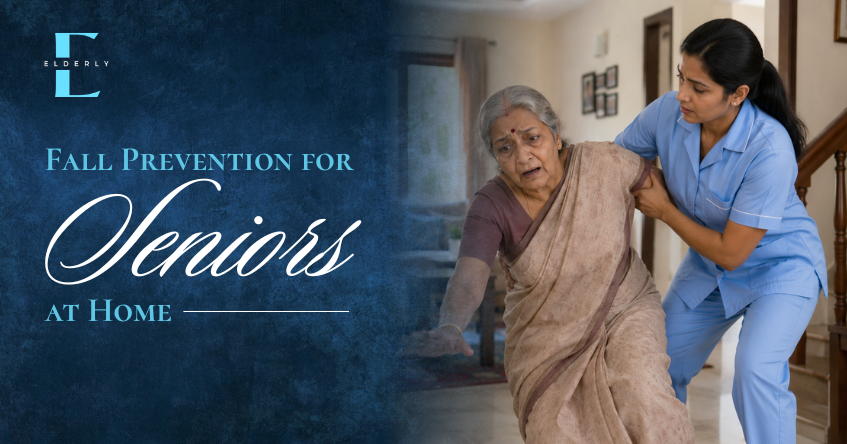
A fall-safe home for seniors needs three things: clear, well-lit walkways, grab support in the bathroom and staircase, and a trained caregiver who can spot risks before they become accidents. Falls are one of the leading causes of hospitalization among elderly citizens, and most of them happen inside the home — not outside it.
In This Guide
Why Do Most Elderly Falls Happen at Home?
Ageing brings changes in balance, eyesight, muscle strength, and reaction time. Combine that with loose rugs, dim lighting, and wet bathroom floors, and an ordinary Tuesday afternoon can turn into an emergency room visit. Families across Adyar and Mylapore often assume their parents' homes are safe simply because nothing has happened yet — but fall risk builds silently, especially after 70.
This is one of the reasons Geriatric Care exists as a dedicated discipline: it looks at the whole person — mobility, medication side effects, vision, and home environment — rather than treating a fall as an isolated accident. Our Physiotherapy team often works alongside geriatric caregivers to rebuild the strength that prevents the next fall, not just respond to the last one.
What Should a Bathroom Safety Checklist Include?
The bathroom is the single riskiest room in an elderly parent's home.
- Non-slip mats both inside and outside the shower area
- Grab bars near the toilet and shower, installed at the correct height
- A plastic shower chair to reduce standing time
- Raised toilet seats for parents with knee or hip pain
- A nightlight so late-night trips don't happen in the dark
Elderly citizens in Adyar and Mylapore, where many homes still have older bathroom fittings and step-down shower areas, benefit especially from a professional home safety audit before renovation.
What Changes Reduce Falls in the Bedroom and Living Room?
- Remove loose rugs or secure them with non-slip backing
- Keep walking paths free of furniture, cables, and clutter
- Use a bed height that allows feet to touch the floor when seated
- Add motion-sensor lights near the bed for night-time movement
- Keep frequently used items within arm's reach to avoid overreaching or climbing
Families in Anna Nagar and T. Nagar apartments, where space is often limited, should pay particular attention to furniture placement — tight walking corridors are a common, overlooked hazard.
FREE HOME SAFETY ASSESSMENT
Worried about your parent's safety at home?
Get a free in-home fall-risk assessment from an Elderly Wellness care specialist.
How Should Staircases and Entryways Be Made Safer?
- Install handrails on both sides of the staircase, not just one
- Add non-slip strips to each step edge
- Ensure entryway lighting is bright and motion-activated
- Keep footwear and doormats away from the direct walking path
- Fix uneven thresholds or raised door frames
For homes in Velachery, where many residences have external staircases exposed to Chennai's monsoon rain, slip-resistant flooring treatment is worth prioritising before the rainy season each year.
When Does a Family Need Professional Caregiving Support?
A safety checklist reduces risk, but it doesn't replace supervision. If your parent has already had one fall, uses a walker or cane, is on medication that affects balance (like sedatives or blood pressure drugs), or lives alone for long stretches during the day, it's time to bring in a trained caregiver.
At Elderly Wellness, our caregivers are trained at the Elderly Academy of Caretaking & Hospitality (EACH) specifically in fall-risk observation, safe transfer techniques, and emergency response. Combined with our Physiotherapy services, we help seniors rebuild strength and balance. Read our guide on Exercises for Seniors Over 75 for safe movement routines that pair well with a fall-prevention plan, and see how caregiver quality affects outcomes in How to Hire the Best Caregiver for Seniors in Chennai.
Frequently Asked Questions
What is the most common cause of falls in elderly people at home?
Poor lighting, loose rugs, and wet bathroom floors are the most common causes, often combined with age-related balance and vision changes.
How often should a home be checked for fall hazards?
At least once every six months, and immediately after any change in a parent's mobility, medication, or health condition.
Can a caregiver help prevent falls, not just respond to them?
Yes. Trained caregivers are taught to identify fall risk factors early — unsteady gait, dizziness after standing, poor footwear — and correct them before an accident happens.
ELDERLY CARE PLUS APP
Need a trained caregiver at home this week?
Book vetted nurses and caregivers in minutes with the Elderly Care Plus app.