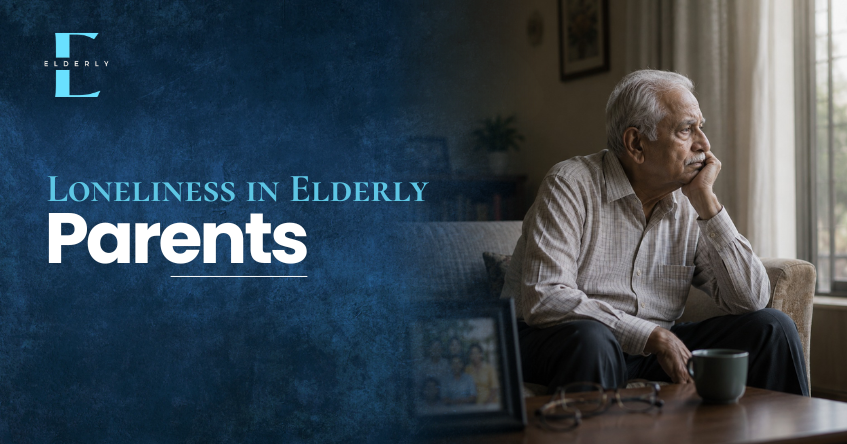
Loneliness in elderly parents is a genuine health risk, not just an emotional inconvenience — studies consistently link chronic loneliness in seniors to higher rates of depression, cognitive decline, and even heart disease. The most effective support combines regular human connection, structured daily engagement, and, where needed, a trained caregiver who provides companionship alongside physical care.
In This Guide
Why Does Loneliness Affect Elderly Parents So Deeply?
Retirement, the loss of a spouse, children moving away for work, and reduced mobility can combine to shrink an elderly parent's world dramatically — sometimes down to the four walls of their home. Unlike younger adults, seniors often have fewer opportunities to rebuild a social circle once it thins out.
In neighbourhoods like Vadapalani and Kodambakkam, where many elderly residents have lived for decades as their surroundings changed around them — old neighbours moving away, children relocating for work — this sense of isolation can build up quietly over years, even inside a full household.
What Are the Signs a Parent May Be Struggling with Isolation?
- Withdrawing from phone calls or visits they used to look forward to
- Loss of interest in hobbies, festivals, or routines they once enjoyed
- Changes in appetite or sleep without a clear medical cause
- Speaking about feeling like a "burden" to the family
- Increased irritability or, conversely, unusual quietness
- Reduced interest in personal grooming or appearance
Families in Saidapet and Sholinganallur, where adult children often work long IT-sector hours, sometimes only notice these changes during video calls — subtle cues like a parent's flat tone or short answers are easy to miss when visits are infrequent.
COMPANIONSHIP-FOCUSED CARE
Worried your parent feels isolated?
Speak to our team about companionship-focused caregiving.
What Can Families Do to Help?
- Prioritise consistency over frequency. A short daily call matters more than one long weekly visit.
- Encourage structured routines — a fixed time for a walk, a call with a grandchild, or a favourite TV programme gives the day shape.
- Reconnect with community. Many residential areas in Chennai, including Thiruvanmiyur, have active senior citizen associations and temple groups worth reintroducing a parent to.
- Involve them in decisions, not just care. Feeling consulted, not managed, protects a sense of independence.
- Watch for depression, not just loneliness. If low mood persists for weeks, a geriatric mental health consultation is worth arranging, not just more family visits.
How Does Caregiver Companionship Make a Measurable Difference?
Physical care alone doesn't solve loneliness — a caregiver who only handles medication and meals but never truly engages leaves the emotional gap untouched. At Elderly Wellness, our caregivers are trained at the Elderly Academy of Caretaking & Hospitality (EACH) to build genuine daily engagement: conversation, shared activities, and consistent presence, not just task completion.
This is closely tied to our Geriatric Care approach, which treats emotional wellbeing as part of overall health, not separate from it. For families managing this from a distance — including many NRI families — our Assisted Living Support services combine daily physical care with structured companionship. Choosing the right caregiver matters here too — our guide on How to Hire the Best Caregiver for Seniors in Chennai covers what to look for beyond just medical skills.
Frequently Asked Questions
How common is loneliness among elderly people in India?
It is increasingly common, particularly in urban households where adult children relocate for work, leaving elderly parents living alone or with reduced daily social contact.
Can loneliness actually affect physical health?
Yes. Chronic loneliness is linked to higher risks of depression, cognitive decline, weakened immunity, and cardiovascular problems in elderly populations.
How is a caregiver different from a companion for addressing loneliness?
A trained caregiver combines companionship with the ability to notice health changes, manage routines, and respond to emergencies — something a casual companion arrangement can't provide.
ELDERLY CARE PLUS APP
Find a caregiver who cares beyond the checklist.
Browse vetted, companionship-trained caregivers near you.