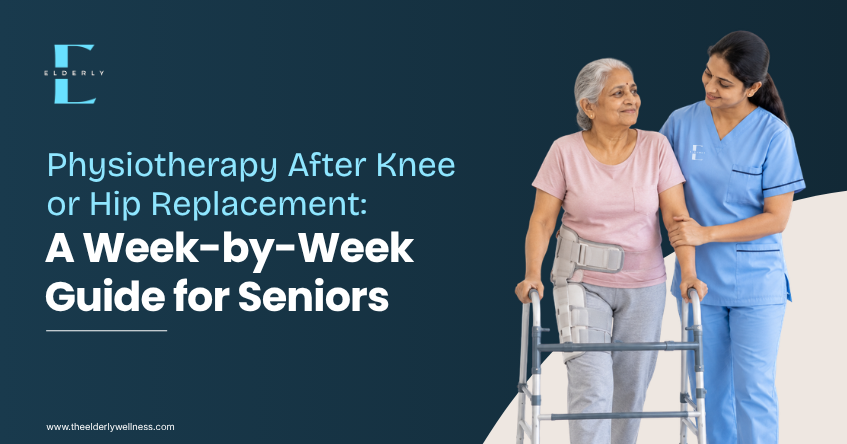
Knee and hip replacement surgery is one of the most common procedures among seniors, and how the first twelve weeks are managed largely determines whether a senior regains full mobility or struggles with long-term stiffness and pain. This week-by-week guide sets realistic expectations for families arranging post-surgery physiotherapy for elders, so recovery stays on track without being rushed or delayed.
Every senior heals at a different pace, and this timeline should be adapted alongside a physiotherapist's guidance and the broader post-hospital recovery care at home plan set up after discharge.
Key Takeaways
- The first two weeks focus on pain management, gentle movement, and preventing complications like blood clots.
- Weeks 3–6 introduce strength-building and range-of-motion exercises under close supervision.
- By weeks 7–12, most seniors regain enough independence to reduce assisted walking aids.
- Consistent, guided home physiotherapy Chennai sessions reduce the risk of setbacks far more than sporadic clinic visits.
- Swelling, sudden pain spikes, or fever at any stage should be reported to the surgical team immediately.
Recovering from joint replacement surgery?
1. Why Recovery Timelines Matter After Joint Replacement
Rehabilitation after knee or hip replacement isn't linear — pushing too hard too soon can damage the new joint, while too little movement leads to stiffness and muscle loss. A phased, week-by-week approach protects against both extremes and is central to safe mobility rehabilitation for seniors after major surgery.
2. Week 1: Hospital Discharge and First Days at Home
The first week is about safety, not intensity. Typical goals include:
- Short, assisted walks using a walker or frame, a few times a day.
- Basic ankle pumps and gentle knee bends to support circulation.
- Pain and swelling management, often alongside prescribed medication.
- Home safety checks — this is the right time to review home modifications for seniors such as grab bars, raised toilet seats, and clutter-free walkways.
Many families choose home physiotherapy for elders during this stage specifically because travel to a clinic is neither safe nor necessary yet.
3. Week 2: Building Basic Mobility
By the second week, most seniors can:
- Walk slightly longer distances indoors with reduced support.
- Begin light stretching to maintain joint flexibility.
- Practise safe transfers — bed to chair, chair to standing — under supervision.
Pairing physiotherapy with nursing services for elders during this window helps track wound healing and vitals alongside physical progress.
4. Weeks 3–4: Strength and Range of Motion
This phase introduces more targeted strengthening:
- Resistance exercises for the thigh and hip muscles supporting the new joint.
- Balance training to reduce fall risk during this still-fragile stage.
- Gradual reduction in reliance on walking aids, as tolerated.
Seniors who also manage joint conditions elsewhere in the body may benefit from combining this with arthritis care for mobility and comfort, so the whole body's mobility improves together rather than in isolation.
5. Weeks 5–6: Independence and Endurance
By now, many seniors can walk without a frame for short distances indoors. Focus shifts to:
- Longer walking sessions to build stamina.
- Stair practice, where appropriate, under supervision.
- Functional exercises like standing from a low chair or getting in and out of a car.
This is also a good stage to revisit broader exercises for seniors over 75, gradually reintroducing safe movement beyond the joint-specific routine.
6. Weeks 7–12: Returning to Daily Life
Most seniors reach a strong recovery milestone by this stage, with goals such as:
- Walking outdoors for short distances with minimal support.
- Returning to light household activities.
- Continued strength maintenance to protect long-term joint health.
For seniors managing multiple health conditions during this period, the benefits of professional geriatric care services become especially clear, as coordinated care prevents recovery from being interrupted by unrelated health issues.
Families balancing physiotherapy with other daily support needs often turn to geriatric care services or, for seniors needing more consistent supervision, assisted living support during this transitional phase.
7. Warning Signs to Watch For During Recovery
- Sudden increase in swelling, redness, or warmth around the joint.
- Fever or chills, which may indicate infection.
- Sharp pain that doesn't ease with rest or prescribed medication.
- Numbness or tingling that wasn't present before.
Any of these should be reported to the surgical or physiotherapy team without delay — this is not a stage for pain-free mobility therapy to be attempted without professional oversight.
Need a structured, week-by-week recovery plan at home?
Frequently Asked Questions
How soon after knee or hip replacement should physiotherapy start?
Physiotherapy typically begins within 24–48 hours of surgery, starting with gentle, supervised movement.
Is home physiotherapy suitable right after joint replacement surgery?
Yes, home physiotherapy is often preferred in the first few weeks since it avoids unnecessary travel during the most fragile recovery stage.
When can a senior walk without support after hip replacement?
Many seniors reduce reliance on walking aids by weeks 5–6, though this varies based on age, fitness, and the specific procedure.
What happens if physiotherapy is delayed after surgery?
Delayed physiotherapy increases the risk of stiffness, muscle weakness, and slower overall recovery.
Related Reads
- Post-Hospital Recovery Care at Home in Chennai — understand how recovery support extends beyond physiotherapy.
- Fall Prevention & Home Safety Checklist for Elderly in Chennai — reduce injury risk between therapy sessions.
- Exercises for Seniors Over 75 — safe movement routines to reinforce physiotherapy gains.
- Essential Care Regarding Arthritis for Senior Citizens — mobility and comfort strategies for joint conditions.