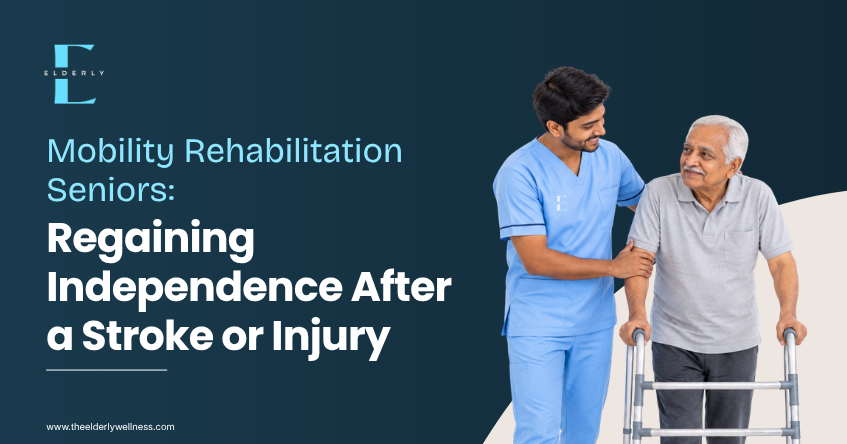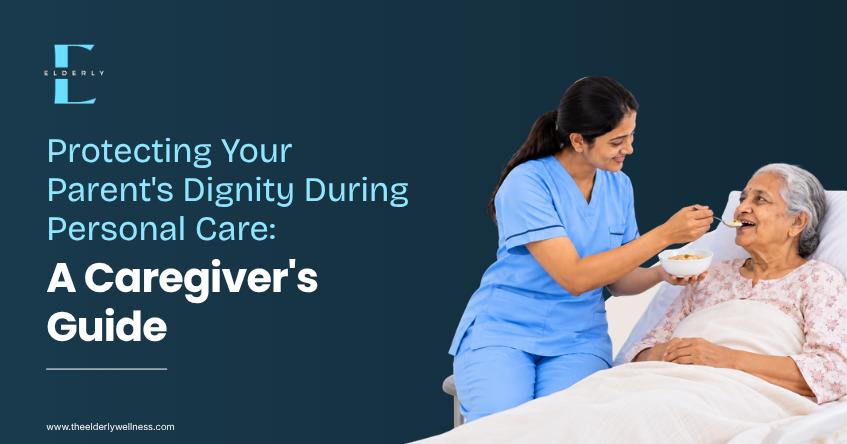
Dignity and safety in elder care means helping your parent with bathing, dressing, grooming and toileting in a way that keeps them safe while respecting their privacy, choices and sense of self. For many older adults, accepting personal help is harder than the physical difficulty itself, and how you approach it shapes their comfort and trust.
This guide gives caregivers and family members practical, respectful ways to provide help, and shows when assisted living support services for elders can take some of the load.
Key Takeaways
- Dignity and safety in elder care go together; you should not have to trade one for the other.
- Privacy, choice and clear communication matter as much as technique.
- Let your parent do what they can, and support only what they cannot.
- A safe bathroom and calm routine lower the risk of accidents and embarrassment.
- Trained professionals can offer senior daily task support so family members can stay in the role of son, daughter or spouse.
Speak with an Elderly Wellness care coordinator to discuss your parent's unique health, daily living, and mobility needs.
Why Does Dignity Matter in Personal Care?
Being helped with intimate tasks can make a person who has lived independently for decades feel exposed or diminished. When dignity is ignored, parents may resist care, skip bathing, hide accidents or become withdrawn. When it is protected, they cooperate more easily, stay cleaner and healthier, and keep their confidence.
Good daily living assistance seniors receive is therefore about how help is given, not only what help is given.
What Makes Personal Care Feel Undignified?
- Being rushed, talked over or spoken to like a child.
- Being left uncovered longer than necessary.
- Having decisions made without asking, such as what to wear or when to bathe.
- Visible frustration or disgust from the caregiver.
- Being discussed with others while present.
Spotting these habits is the first step to changing them.
How Can You Protect Privacy and Choice?
| Instead of | Try |
|---|---|
| Starting to undress your parent without warning | Explain each step first and ask for consent, "Shall we start with your shirt?" |
| Leaving doors open or people walking in | Close doors and curtains, and keep other family members out during care. |
| Taking over every task | Encourage your parent to wash, dress or groom themselves where possible. |
| Choosing clothes and timings yourself | Offer two options and follow their usual routine. |
| Ignoring grooming | Keep hair, nails and skin care consistent. See our essential grooming and hygiene tips. |
Use a calm, respectful tone, cover your parent with a towel or gown during bathing, and never comment negatively on accidents. If continence care has become necessary, read about personal hygiene and diaper change services for senior citizens to see how it can be handled discreetly.
How Do You Keep Personal Care Safe?
Bathrooms are one of the most common places for slips and falls. Small changes make a big difference:
- Non-slip mats, grab bars and a sturdy shower seat.
- Good lighting and a clear path to the toilet, especially at night.
- Water temperature checked before use.
- Everything needed within reach before care begins.
- Slow, unhurried movements, with your parent's hands on stable support.
Our guide to home modifications for elder safety covers bathroom and bedroom changes in detail. If balance or strength is the concern, physiotherapy services for elders can help your parent move with more stability.
Make personal care safer at home. Explore support designed for dignity and safety in elder care.
When Should You Bring in Professional Help?
Many adult children find personal care emotionally difficult, and some parents prefer help from someone outside the family. Consider professional support when:
- Your parent resists help from family but accepts it from others.
- Lifting, transfers or continence care are beyond your ability to do safely.
- You are exhausted or your own health and work are suffering.
- Clinical needs such as wound care or medicine administration are involved, where nursing services for elders are the right fit.
- Your parent has several ongoing conditions and needs specialist oversight through geriatric care services for elders.
Elderly assisted living at home lets a trained caregiver handle personal tasks respectfully while your parent stays in familiar surroundings. Families looking for assisted living support Chennai can begin with a few hours a day and adjust as needed. For guidance on sharing responsibilities, read about finding the right balance between professional care and family involvement.
Caring for Emotional Wellbeing Too
Loss of independence can bring embarrassment, sadness or loneliness. Keep conversation warm during care, thank your parent for their cooperation, and make sure the day includes things that are not about needs, such as time with family, a favourite show, or a walk. Our article on loneliness and mental wellbeing in elderly parents offers more ways to support their emotional health.
Speak with an Elderly Wellness care coordinator to discuss your parent's unique health, daily living, and mobility needs.
Frequently Asked Questions
What does dignity and safety in elder care mean?
It means providing personal care that keeps an older adult physically safe while respecting their privacy, choices and self-respect.
How can I help my parents with bathing without embarrassing them?
Explain each step, keep them covered with a towel, close the door, let them do what they can on their own, and stay calm and matter-of-fact throughout.
My parents refused help with personal care. What should I do?
Stay patient and ask what feels uncomfortable. Offer choices, start with small tasks, and consider whether help from a trained professional might feel easier for them than help from family.
Can senior daily task support be provided at home?
Yes. Caregivers can assist with bathing, dressing, meals, mobility and household tasks at home, with a schedule that fits your parent's routine.
Related Reads
- What Is a Caregiver? — understand the role and responsibilities.
- Alzheimer's and Dementia Care Services for Senior Citizens — personal care when memory is affected.
- Benefits of Professional Geriatric Care Services — why specialist support helps.
- Elderly Wellness in Chennai — see where our care is available.